Pay in installments of $5.92 with
 ,
,
 and
and

Shipping Estimate
USA
- USA
- CAN
- USA
- CAN
Ships within 48 hours · Estimated delivery Jun 28 - Jul 3
 Promo Codes Available:
For Your Every Summer RSVP, with Code: SUMMER15
Description
are birds nest ferns poisonous to cats Bird's Nest Fern | Buy Online - Lush, Low-Light Houseplant | MygreenscapeBird's Nest Fern, also known as Asplenium nidus, is a popular tropical houseplant admired for its wavy, bright green fronds that grow in a rosette shape. Its elegant and structured appearance makes it a perfect addition to modern indoor spaces and shaded gardens. Common Names Bird's Nest Fern Asplenium Fern Nest Fern Botanical Classification Kingdom: Plantae Order: Polypodiales Family: Aspleniaceae Genus: Asplenium Species: Asplenium nidus Native
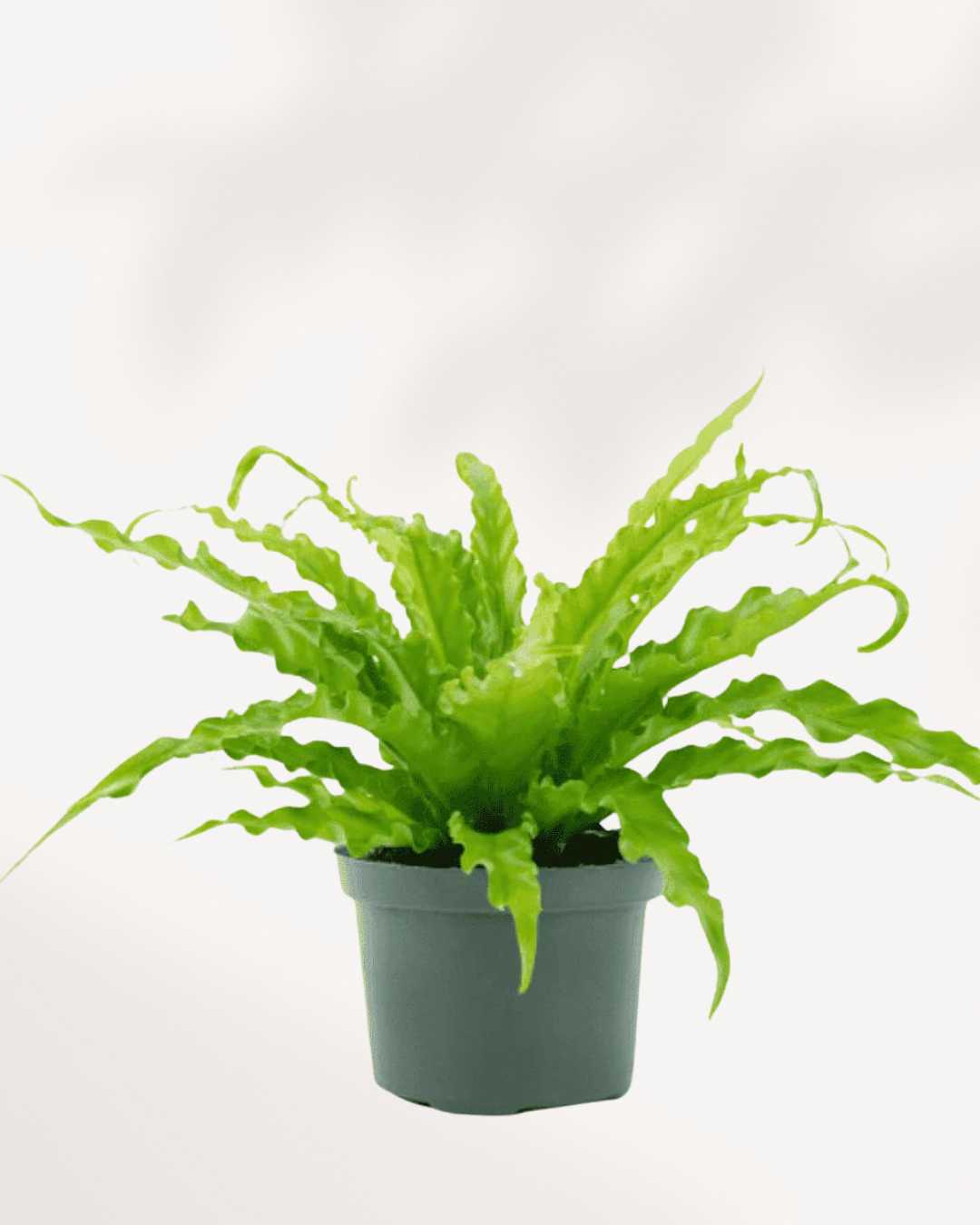
Bird's Nest Fern, also known as Asplenium nidus, is a popular tropical houseplant admired for its wavy, bright green fronds that grow in a rosette shape. Its elegant and structured appearance makes it a perfect addition to modern indoor spaces and shaded gardens.
Common Names
- Bird's Nest Fern
- Asplenium Fern
- Nest Fern
Botanical Classification
- Kingdom: Plantae
- Order: Polypodiales
- Family: Aspleniaceae
- Genus: Asplenium
- Species: Asplenium nidus
Native Habitat
Bird's Nest Fern is native to the tropical forests of Southeast Asia, Australia, and the Pacific Islands. It grows naturally as an epiphyte, often found on tree trunks and branches, thriving in warm and humid environments.
Historical and Cultural Significance
The Bird's Nest Fern is widely regarded as a symbol of resilience and longevity. Its lush, evergreen foliage represents growth and harmony, making it a cherished plant in tropical-themed decor and feng shui practices.
Uses and Popularity
Bird's Nest Fern is valued for its ornamental beauty and low-maintenance care. Its arching, wavy leaves make it a stunning focal point in living rooms, bathrooms, and shaded patios. It is also considered pet-friendly, adding to its popularity in households with animals.
Conservation Status
Bird's Nest Fern is not endangered and is widely propagated in nurseries, ensuring its availability for plant enthusiasts worldwide.
Description
Physical Characteristics
Bird's Nest Fern features bright green, sword-shaped fronds that emerge in a circular, nest-like pattern. The fronds can grow up to 2-3 feet in length, creating a full, bushy appearance. Its glossy leaves and wavy edges add texture and elegance.
Growth Habit
This fern has a slow to moderate growth rate and maintains a compact, upright form. Indoors, it can reach a height of 2-3 feet (60-90 cm) with proper care. It thrives in humid environments, making it ideal for bathrooms and kitchens.
Popular Fern Varieties
Crispy Wave Fern
- Recognized for its ruffled, compact leaves that filter toxins from the air.
Boston Fern
- Features feathery, arching fronds, perfect for hanging baskets.
Asparagus Fern
- Graceful, needle-like foliage ideal for cascading arrangements.
Staghorn Fern
- Unique, antler-shaped fronds that can be mounted as wall art.
Care Guide
Light Requirements
Bird's Nest Fern thrives in bright, indirect light but can tolerate low light conditions. Avoid direct sunlight, as it can scorch the leaves.
Watering Needs
Keep the soil consistently moist but not waterlogged. Water when the top inch of soil feels dry. Avoid watering directly into the rosette, as it can cause rot. Indoor Plant Watering
Soil Preferences
Use a well-draining, rich potting mix with added organic matter. Slightly acidic soil with good aeration is ideal for this fern. Indoor Potting Mix
Humidity
Prefers high humidity levels (50-80%). Use a humidifier, mist regularly, or place near a pebble tray to maintain moisture.
Common Pests
Mealybugs
Mealybugs appear as white, cottony masses. Remove them with rubbing alcohol or insecticidal soap. Learn More
Scale Insects
Small, brown bumps on leaves or stems. Treat with neem oil or insecticidal soap.
Fungus Gnats
Can thrive in overly moist soil. Let the soil dry slightly and use sticky traps. Learn More
FAQs
Why are my Bird's Nest Fern leaves turning yellow?
Yellow leaves may indicate overwatering or poor drainage. Check soil moisture and repot if necessary.
Is Bird's Nest Fern pet-friendly?
Yes, this fern is non-toxic to cats and dogs, making it a safe choice for pet owners.
Can Bird's Nest Fern grow in low light?
Yes, it can tolerate low light, but bright, indirect light is preferred for optimal growth.
How often should I fertilize?
Feed with a balanced, liquid fertilizer every 4-6 weeks during the growing season. Reduce feeding in winter.
Shipping Notes
- Free Standard Shipping on $100+ Orders to the USA.
- Except Preorder products are shipped in 48 hours.
- Delivery to the USA:
- Standard Shipping : 3-10 business days
- If time is of the essence, please consider selecting expedited delivery for faster service.
Exchange/Return Notes
- We offer a 30-day return/exchange service after receiving.
- Final sale items are not eligible for returns or exchanges.
- To process your return/exchange, please contact us at [email protected]
- Please click here for more details>>> Return & Exchange Policy