

Pay in installments of $5.88 with
 ,
,
 and
and

Shipping Estimate
USA
- USA
- CAN
- USA
- CAN
Ships within 48 hours · Estimated delivery Jul 1 - Jul 6
 Promo Codes Available:
For Your Every Summer RSVP, with Code: SUMMER15
Description
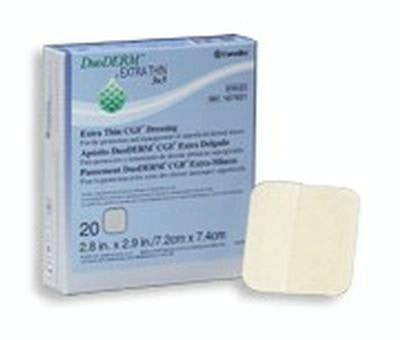
duoderm dressing Duoderm Dressings CGF 6" x 6" Hydrocolloid DressingDuoDERM CGF 66 Hydrocolloid Dressing (1515 cm) DuoDERM CGF (Control Gel Formula) 66 is a sterile, self adherent hydrocolloid sheet dressing. It is composed of a soft inner matrix of hydrophilic colloid particles (gelatin, pectin, carboxymethylcellulose, etc.) bonded to a thin polyurethane backing. The unique ConvaTec CGF formulation causes wound exudate to be absorbed into the matrix and form a cohesive gelbed. In effect, DuoDERM CGF 66 creates a
DuoDERM® CGF 6″×6″ Hydrocolloid Dressing (15×15 cm)
DuoDERM CGF (Control Gel Formula) 6″×6″ is a sterile, self-adherent hydrocolloid sheet dressing. It is composed of a soft inner matrix of hydrophilic colloid particles (gelatin, pectin, carboxymethylcellulose, etc.) bonded to a thin polyurethane backing. The unique ConvaTec CGF formulation causes wound exudate to be absorbed into the matrix and form a cohesive gelbed. In effect, DuoDERM CGF 6″×6″ creates a “second skin” over the wound: it locks in moisture and growth factors while sealing out outside contaminants. The outer film is impermeable to pathogens and liquid, providing a waterproof, bacteria/viral barrier (even against HBV/HIV when intact). The dressing also insulates thermally and cushions the wound, which can reduce pain. Note: This product is latex-free, making it safe for latex-allergic patients.
Indications and Wound Types
DuoDERM CGF 6″×6″ is intended for moderately-exuding partial- or full-thickness wounds. Because of its size (15×15 cm), it is suitable for medium-sized ulcers or wounds (for example, a 5–8 cm diameter ulcer) where a single sheet can fully cover the area plus a margin. Its labeled uses include:
- Pressure injuries (ulcers) Stage II–IV: Suitable for open pressure ulcers that have breached the dermis. (Stage I, intact skin with only redness, is typically managed with barrier films or padding rather than a hydrocolloid.).
- Venous/Diabetic ulcers & leg ulcers: Ulcers on the lower extremities that produce moderate drainage. The moist environment promotes granulation and epithelial growth.
- Donor sites and superficial burns: Partial-thickness skin graft donor sites, first- or second-degree burns, skin tears and abrasions heal well under hydrocolloids.
- Minor traumatic wounds: Lacerations or surgical wounds healing by secondary intention, particularly if they exude moderately. (For very minor abrasions, smaller dressings or films may suffice.)
In general, DuoDERM CGF should be used only on clean, non-infected wounds with light to moderate exudation. It is not recommended if there is obvious wound infection or heavy purulent drainage. Likewise, it should not be applied to completely dry wounds (it would over-dehydrate them) nor to wounds with exposure of neuromuscular tissue. Deep third-degree burns (black eschar) also should be excised or treated differently – CGF dressings are contraindicated on full-thickness necrotic burns. (Once such eschar is removed, the remaining wound might be suitable for DuoDERM.)
Mechanism of Action
When applied, DuoDERM CGF’s adhesive layer instantly absorbs exudate from the wound bed. As the fluid is taken up, the colloid particles swell and transform into a cohesive gel. Key effects of this gelbed include:
- Moist wound environment: The gelbed maintains continuous moisture at the wound surface. A moist environment accelerates epithelial cell growth and wound healing (studies show re-epithelialization can be twice as fast versus dry healing conditions). It effectively “autolytically debrides” the wound by trapping native proteolytic enzymes (from inflammatory cells) that digest necrotic slough. Importantly, the gel does not stick to healthy granulation tissue, so dressing changes are atraumatic.
- Barrier protection: The outer polyurethane film is impermeable to external liquids and microbes (providing a viral/bacterial barrier). While sealed, DuoDERM CGF prevents outside contamination. It also keeps heat in, which can promote immune activity and collagen formation.
- Wound isolation: By surrounding the wound with its adhesive margins and gelbed, the dressing acts like a sealant. It contains the exudate “inward,” preventing maceration of the peri-wound skin. (If too much moisture builds up, the gelbed may swell, which signals it’s time for a change.)
- Compression and comfort: The somewhat rigid gel provides gentle mechanical support, protecting the wound from minor trauma or pressure. Nerve endings remain moist (and somewhat anesthetized by the hydrocolloid), often resulting in less pain versus dry dressings.
ConvaTec’s CGF (Controlled/Control Gel Formula) is a proprietary blend that enhances these effects. Each dressing is self-adhesive (no tape required) and conforms to uneven surfaces. DuoDERM CGF dressings are available in shapes (square, rectangle) and with optional foam borders; the 6″×6″ square is a common mid-size sheet.
Application Technique
Cleanse the wound: Gently irrigate the ulcer/wound bed with normal saline or wound cleanser. Remove any loose debris or thick slough. Pat the surrounding skin thoroughly dry – even a bit of moisture, ointment or lotion can prevent adhesion. (Do not use harsh antiseptics like betadine or alcohol on the wound bed, as they can damage tissue.)
Choose the right size: Always select a dressing substantially larger than the wound. Ideally, the 6″×6″ pad should extend at least 1–2 inches (2–5 cm) beyond all wound edges (ConvaTec recommends ~3.2 cm beyond). This ensures the gel layer fully covers the wound and the adhesive border seals to intact skin. If needed, the sheet can be trimmed (rounded corners are less likely to peel). Avoid stretching the dressing as you apply it, since that can lift the edges off the skin.
Application steps:
- Warm the dressing: Rub the backing between your hands before exposing the adhesive. This helps the gel layer soften and stick better.
- Place on wound: Peel back one side of the protective release paper, and position the exposed half of the dressing over the center of the wound. Smooth it down gently. Then peel off the rest of the backing, laying the rest of the dressing over the wound. Smooth out all wrinkles.
- Seal the edges: Firmly press the entire periphery of the adhesive border to the skin for 30–60 seconds. This is critical – if the edges are not fully adhered, exudate can leak out or pathogens can enter.
Aftercare: Write the date and your initials on the dressing if needed. Instruct the patient that the dressing is waterproof – they may shower carefully. Press gently on the edges to check the seal (gel-forming dressings should cling well). The patient should monitor the dressing: if it peels up or leaks, it should be changed.
Wear time: DuoDERM CGF 6×6 is designed to remain in place up to 3–7 days as long as it’s intact and comfortable. Gel formation will become visible (the dressing may “puff” and turn whitish) as it absorbs fluid. Change the dressing sooner if it leaks, or if the patient feels pain or pressure from a bulging gel. In general, frequent manual changes are not needed—hydrocolloids are most effective when left undisturbed to maintain a stable moist environment.
Removal and Dressing Changes
When it’s time to change (usually once the gelbed has reached capacity or after several days of wear):
- Gentle removal: Start at one corner. Pull the dressing back close and parallel to the skin, rather than straight up, to minimize skin trauma (progress.com.sg). It can often be removed without any adherence to the wound (the gelbed peels away from granulation tissue). If resistance is felt, one can apply normal saline at the edge or use an adhesive remover wipe (e.g. with mineral oil) to ease lifting.
- Inspect the wound: There will typically be a moist, yellowish gel residue on the wound surface. Blot excess with saline-soaked gauze. Check the wound bed: a healthy bed appears beefy red (granulation). Any remaining slough should be noted (it may need debridement later).
- Clean and repeat: After removal, cleanse the wound bed again, pat dry, and reapply a fresh DuoDERM CGF sheet if continued therapy is indicated. (If the wound has become clean and is granulating well, you might switch to a lighter dressing or non-adhesive covering.)
Precautions: Do not use on an obviously infected wound or heavily purulent exudate – hydrocolloids can seal in bacteria and worsen infection. Also avoid on patients with known allergy to any component of the dressing (rare). Because the adhesive is strong, use caution on very fragile or thin skin; a barrier film (e.g. zinc oxide) can be applied around the edges if the periwound skin is delicate.
Clinical Tips
- Offload pressure: In pressure ulcers, relieving pressure (repositioning, specialized mattresses) is just as important as dressing choice. DuoDERM will not heal an ulcer no matter what if the pressure remains.
- Edge care: Check the adhesive perimeter daily. A slightly raised or whitened edge indicates moisture trapping or leakage. If this occurs, reinforce the edges with paper tape or a compression dressing. (Alternately, consider switching to a foam dressing if maceration of the surrounding skin is a problem.)
- Pain management: Since DuoDERM CGF numbly moistens exposed nerve endings, patients often report less pain under the dressing. Still, ensure adequate analgesia before removal as needed.
- Combine therapies: DuoDERM can be used alongside other treatments. For example, a small amount of hydrocolloid paste or hydrogel can be used to pack cavities, over which a sheet can be applied. (ConvaTec’s Hydroactive Gel or Paste may be used before covering with DuoDERM if needed.)
- Monitoring: Because the dressing is occlusive, healthcare providers should inspect the wound and periwound skin regularly. Look for signs of maceration, erythema, or infection. If infection is suspected (fever, spreading redness, malodor), remove the dressing and treat appropriately – do not simply change to a new DuoDERM.
The DuoDERM CGF 6″×6″ dressing is a versatile hydrocolloid sheet that promotes moist healing of moderately-exuding wounds. Its controlled-gel formula absorbs drainage, maintains a cushioned moist environment for granulation, and provides a waterproof barrier against contaminants. Clinicians should apply it only to clean wounds (Stage II–IV ulcers, leg ulcers, burns, donor sites, etc.), ensure a good seal beyond the wound edges, and leave it in place up to a week unless saturated. With proper technique and monitoring, DuoDERM CGF 6″×6″ can significantly accelerate healing, reduce pain, and protect the wound from infection.
Shipping Notes
- Free Standard Shipping on $100+ Orders to the USA.
- Except Preorder products are shipped in 48 hours.
- Delivery to the USA:
- Standard Shipping : 3-10 business days
- If time is of the essence, please consider selecting expedited delivery for faster service.
Exchange/Return Notes
- We offer a 30-day return/exchange service after receiving.
- Final sale items are not eligible for returns or exchanges.
- To process your return/exchange, please contact us at [email protected]
- Please click here for more details>>> Return & Exchange Policy